Lead! What Chicken Keepers Need to Know
What stays in the soil indefinitely and never breaks down?
Lead.
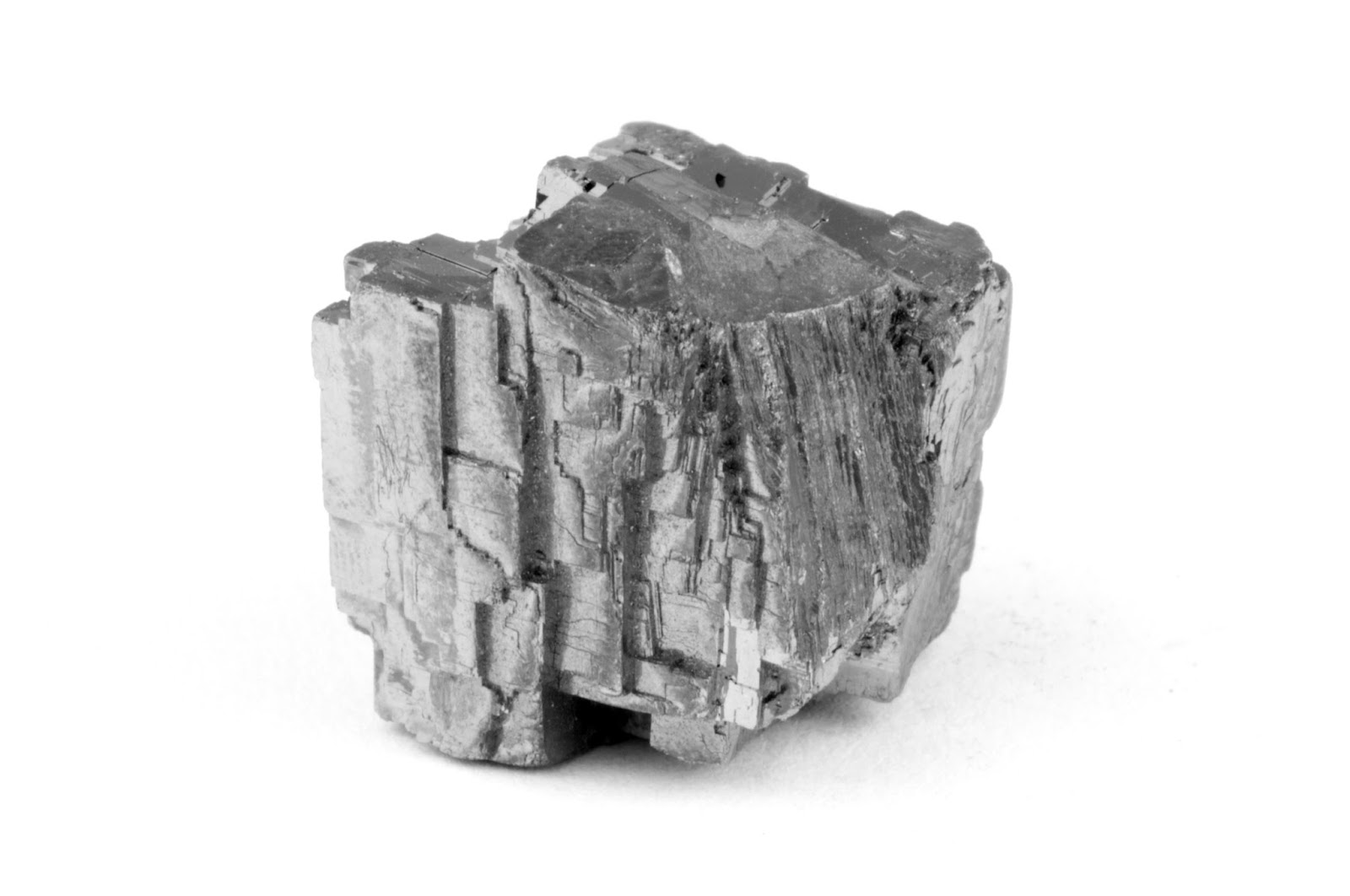
Lead is an element in the carbon group (Pb) and it is already in its “smallest” form. High school chemistry class taught us that this element can’t break down anymore — lead residue persists forever in the soil. The particles do not decompose…but remain a toxic substance even after eroding into aerosolized dust. Once a component of paints and pesticides, lead also appears as a natural substance. Even if you have never used any lead products, it may still be present on your property in the soil, in old barn paint and in paint chips. Lead was used in pesticides, gas, bullets and shot, as a sealant for tin cans, in batteries and as a water line solder. Even if you have removed all of the lead paint from structures, it will already have entered your soil.
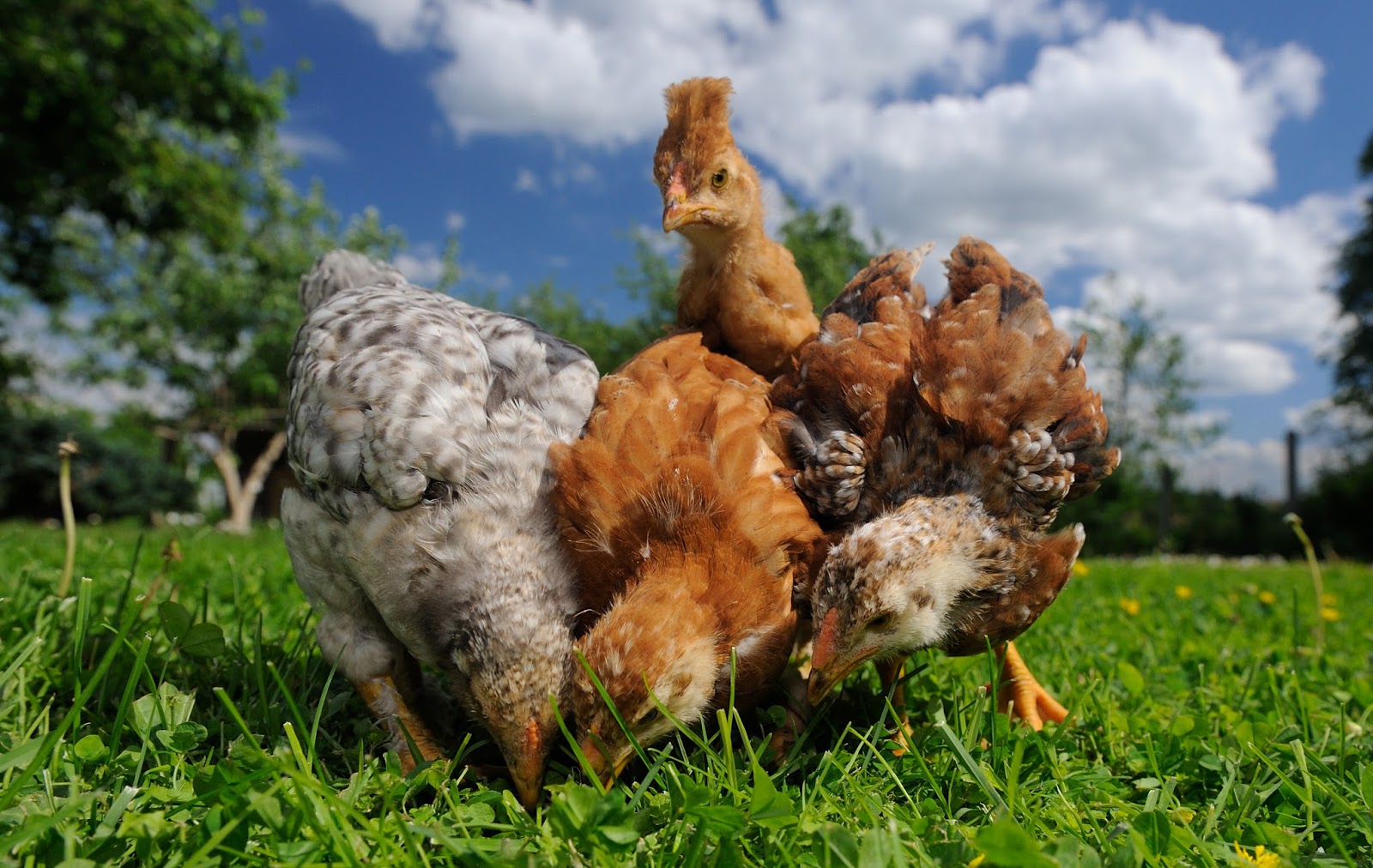
 Lead can be taken up through the roots of plants. When the chickens graze lead- tainted grasses, and when they roll in the dust to bathe – they are ingesting these residual lead particles. Chickens eat dirt to help digest their food. Hens actively seek out chips of calcium when they are laying. Anything flat, small and white with the characteristics of an eggshell or chip of seashell fits the bill! Unfortunately, that is exactly what lead white paint looks like. Chickens readily consume flakes of paint that have fallen off of old buildings or that have emerged from the soil. In fact, the soil around old structures may contain toxic levels of lead.
Heavy metal history
Humans have been smelting lead for thousands of years; its workable properties are legendary. Lead beads have been dated as far back as 7,000 BCE. The Romans used lead pipes to transport water through their famous water engineering works. But even some of Rome’s citizens began to suspect this was not a great idea. Lead poisoning was known in Ancient Rome and some historians propose that lead poisoning may have had an impact on that society. By the end of the 19th century, the dangerous aspects of manufacturing with lead were coming to light. Lead poisoning (exacerbated by scurvy) was behind the 1845, Sir John Franklin Arctic expedition’s failure, as the crews’ food was sealed in lead soldered tins and foils. Lead analysis of the exhumed remains revealed heightened levels of the metal.
Lead is a dangerous neurotoxin that accumulates in plant and animal systems. We all know of the tragic cases of waterfowl that have ingested lead shot and fishing weights. The same cumulative affects will occur in the chickens and in us. Lead is transferred to baby chicks through the egg, and eggs used for the table will also contain the toxic substance. Lead is easily shared!
Old glass also holds traces of lead and chickens will snack on shards of broken windowpanes or glassware. Antique properties are littered with middens. Yup, this is the famous junk unearthed by archaeologists. Trash collection is a modern convenience, and while Victorian cities had dustbin workers, country folk simply dug pits on their homesteads and buried their trash. For those of us living on old properties, we regularly dig up these treasure troves. Some of those antique waste-bin finds have been leaching lead into the soil. And some of these “gems” are aged taste treats for the ducks, geese or the chickens that spend their days digging up things!
What you can do:
- 1. Have your soil tested at your local agricultural university, extension office or environmental conservation service.
- 2. Do not allow the birds (waterfowl, turkeys or chickens) access to old paint that may be on iron gates, wooden fences or buildings. They may peck at these objects and ingest the lead. Chickens and turkeys will strip and eat flaking lead paint!
 Symptoms of lead poisoning
Low levels of lead toxicity won’t show any signs. Serious lead poisoning in birds appears similar to other diseases (like Mareks). It is usually chronic and based on repeated exposure – it also builds up in the birds’ system. Lead poisoning produces neurological symptoms including: loss of appetite, lethargy and self-isolation, bright green droppings/unusual manure consistency with diarrhea, unsteady on feet with inability to roost, weakness, increased thirst, star-gazing and cognitive issues, seizures/blindness, anemia and regurgitation. Lead poisoning is deadly!
If you suspect illness in your flock consult your veterinarian promptly. Lead poisoning is treatable, but birds exhibiting symptoms are in real danger. This is an avian medical emergency.
Lead levels in parts per million – soil testing
If soil test results from your property reveal heavy metal toxicity, you will need to take action. Unfortunately, removing and protecting livestock from lands containing lead contamination is a real mess!
1. Safe/natural levels: 100 ppm and under
2. Increased levels: over 100 to 300ppm
3. Toxic levels: over 300 ppm
Check your property and fencing for possible lead paint and remove any questionable objects. Getting soils tested is a key step to safe farming practices.
Sea buckthorn research
Laboratory studies have revealed the protective and therapeutic benefits of the sea buckthorn (leaves, fruit and seeds) for preventing and treating toxicities from mycotoxins. Therapeutic benefits are based in the plant’s antioxidant activity against free radical damage since it contains “exceptionally high contents of nutrients and phytochemicals such as lipids, water-and fat-soluble vitamins, and flavonoids.”
Sea buckthorn has liver safeguarding properties, but it also has shown positive neuroprotective benefits as well.

This is a quote from a 2005 breakthrough study in Protective Effects of Hippophae rhamnoides L. Juice on Lead-Induced Neurotoxicity in Mice:
“To elucidate the cognition-enhancing and neuroprotective mechanisms of HRL, we investigated the effects of HRL on oxidative stress and the changes in cholinergic and monoamine neurotransmitters induced by lead. Free radicals play an important role in lead neurotoxicity, since lead exerts its neurotoxicity through oxidative stress… Increased oxidative stress reflected as a higher MDA level in lead-treated mice was prevented by HRL. The antioxidant activity of HRL juice has been shown in in vitro, cell culture, and animal studies.”
The researchers’ intriguing conclusion showed that the sea buckthorn revealed traceable benefits. “Because oxidative damage is also involved in Pb [lead] toxicity, we examined parameters of oxidative stress in the brain from mice chronically exposed to the metal. In this study, we used behavioral and neurochemical experiments to determine the protective effects of HRL against the neurotoxicity induced by lead.”
Sea buckthorn continues to unfurl its beneficial health properties! But, if you suspect lead poisoning in your birds consult a vet immediately. This is a life-threatening condition and prompt veterinary care is needed. Generally, many birds will be affected, or will soon be affected, if there is a source of lead on the property. Your veterinarian and agricultural office will assist you in dealing with this frustrating and stressful problem.

